Showing posts with label Artistic Purpose. Show all posts

Friday, January 17, 2020

Why I love to talk to parents.


As licensed clinical social worker I have the privilege of interviewing hundreds of parents year about their parenting experience in America. I have noticed how quick and powerful Parent Guilt is in it’s impact on parents lives & children's lives. In my work as a family and child therapist who is particularly interested in how problems move through peoples lives I am uniquely placed to notice how the pathologizing of dyslexia has led to entire generations of children and parents believing that there is something wrong with the child.

There is nothing wrong with a dyslexic child. They are the way that God made them. And to quote Einstein “God does not play dice with universe.”  Your child who is dyslexic it is not broken.  He has traded out some of his ability to learn language or his ability to do some other language base skill in order to gain a superpower. It is your job to find that superpower and to support it's development.

Dyslexic students suffer from a series ideas that exist in modern schooling. They are the canaries in the coal mine of school. Most public schooling in the United States is based on the idea that people learn on an incremental edge and a set average rate. Schools are based around the idea that it is better to teach to the average of the class. Many dyslexic students are “slow” in the first few years of learning to read or write but then exploded later in life into these categories of knowledge

I was once one so myself. I was a student who could not read who could not write in a classroom filled with literate people. It is taken decades for me to recover from that experience. The school and its effort to teach me reading and writing taught me fear, isolation, loneliness and bitterness. Even now 43 years later my heart is heavy to think of the child I was.

I would love the chance to help your family avoid the costly mistakes that my family went through when I was a child.  I coach families nationwide in how to come to terms with the realities of having child with a learning disability.

http://www.ashevilletherapy.net

Friday, May 25, 2012

Art is Service

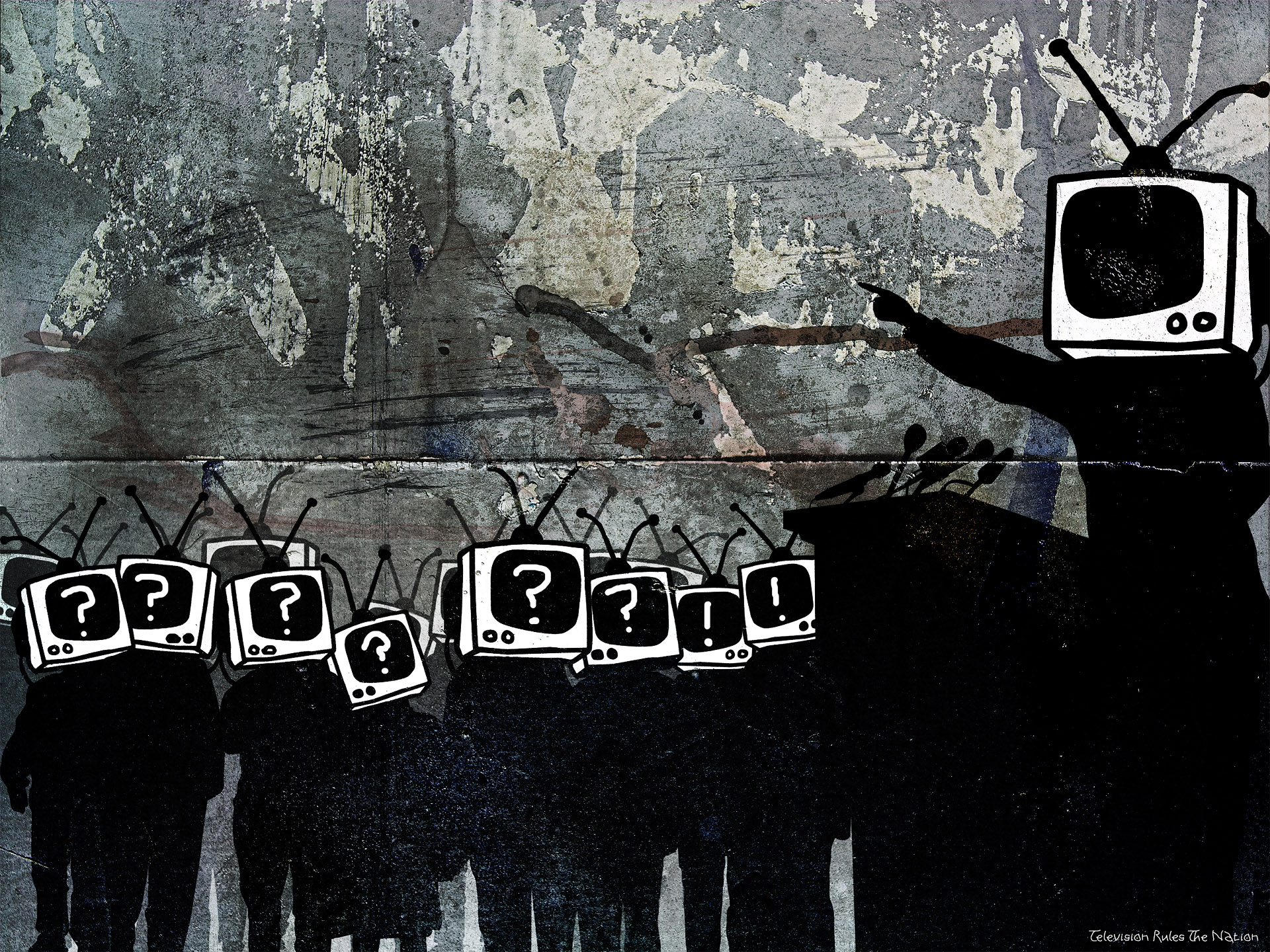
Life is not filled with television, radio and internet.  Life is filled with stories spread through television, radio and internet.  Where these medias get in trouble is where they forget that they are meant to be life affirming and life sustaining.   Successful art redeems life bringing joy and laughter to life and is essentially human culture reborn to serve that the current generation.

TV and radio are top down forms of media.  The owner of the media gets to decide what the media will broadcast.  The internet has bias too towards those who can purchase talent or ears.  But the internet has it's own potential to serve a different type of storytelling.  With the rise of the internet the middle class has an media engine to match the TV and radio. 

We are all storytellers - but many of us have forgotten that part of the responsibility of the storyteller is which story to tell.  We are used to being told by the TV what are stories we are part of.  Americans are not used to the telling part of storytelling.  We are learning.  Slowly the giant of the future awakes to find that his chains have become string his cage a ginger house.

There are so may people still who do not have access to the internet - this fabulous tool of free expression.  We are awakening from the age of the TV - we are a wakening into the age of the storyteller.  We begin with the most basic question - not what do we want to consume - but what do we want to create?

A Reccomendation

What does it mean to be dyslexic?  How does being labeled a dyslexic become a label or a shield?  These are some of the questions that this blog tackles with a fresh spin and look.

I would like to suggest the spring pragmatist blog - because it dances around dyslexia and writing so nicely.  Recently the author left a comment on this blog.

I enjoyed reading some of her writing.  I think you would too.

Eric Wolf

http://theaspiringpragmatist.blogspot.com.au/

Friday, January 15, 2010

Art, Storytelling and Dyslexia

The writer is Eric Wolf Storyteller

Art is not limited by state budgets, the few hours of life apportioned or others acceptance.  The only limitation of art is our desire to embrace art as we know it and to love that expression that calls us into our passion - into our being - into the voice of God.  Of all the arts, storytelling is the most able to thrive despite budgets cuts, institutional ignorance and community apathy.  Storytelling brings people together and serves as a beacon for community healing.

To be an artists is to give yourself over to a creative process that promise no fruit with each effort.  But instead enlightens our lives with a gift that can only be declared - soul.  Art in it's purist form is God's hand in our mortal lives.  A living testament that their is more to our lives then this simple physical frame.  To be an artist is to see the world, not only as it is - but as it can be or will be by our will.

Art makes meaning where there is none, gives power to the powerless, heals wounds long scarred, and above all hold love triumphant for the entire world to see.  Successful art brings people together through compassion, forgiveness and understanding.  Art and storytelling is held and holds community in it's sacred trust.  Art binds the sinews of the mortal world into a tapestry that ancestors hold in their immortal coil.

When we examine what it means to be dyslexic in a modern society we find ourselves looking at an entire class of creative types who are artists by definition.  Though their creative efforts may be far from what society defines as “art”.  They as a group fall in the range of artist by their very necessity of invention. Their inability to fit with the bounds of normality causes them to rush into the worlds of creativity that others will never experience.  Not to say that to be dyslexic is to be born a painter, actor, poet or artist.  Far from that.   Dyslexics make the best storytellers by the requirements of the world bent down upon them.

Storytelling is the refuge of sinners and survivors.  Storytelling is an art long associated with lying and dishonesty.  Oral Narrative is held in disrepute for the same reasons it is so widely successful.  The ease at which storytelling can be adapted and used to support the powerless and the oppressed is the same ease that allows sinners and con artists to bends it to their will.


Saturday, January 2, 2010

10 Best Dyslexia Resources Online in 2010.


This list is up for revision - so if you have better resources to offer let me know.  If on the other hand you want me to sell something for you - please give me money or don't bother me.  I personally find much of what is written about dyslexia is either disingenuous or downright ignorant.  The writing is not meant to empower the students, teacher or parents - merely to placate parents and help maintain an uneasy unholy alliance between schools and government in which a lot of people are gainfully employed and a lot of children willfully ignored.

I started out this list as a simple to do and find myself, here days later, a little pissed off at the state of blogosphere today.  Are we as dyslexics so castrated as to have no voice?  Are we with these few exceptions just lying down and taking it?  What the hell?  I am lucky to have reached these ten - I started out looking for blogs but I had to settle with resources because I couldn't find ten blogs that met my standards for inclusion.

1) Jonathan Mooney's Website

Normally I wouldn't even consider a small site like this for the list, let alone for recommending as resource for parents, let alone top of the list, but the man is a genius.  His book made me cry and I love him for that.  The review will be coming our next week so come back and check it out if you get the chance.  The to go resource for living with dyslexia in the system.

2) The Davis Method

Look I don't know if it works.  I don't care if it works - what I care about it is that they are trying something and they are by many accounts succeeding - without drugs or expensive therapies - maybe soon I will have a long  conversation with a practitioner of the Davis method.  They don't feel like some other slick outfits that charge thousands of dollars for snake oil, but some nice people trying there best with a difficult deal.  In recognition for their efforts I place them in 2nd.  

3) The Dyslexic Storytellers Blog 

Well clearly this blog is the best on the subject. LOL

I still dream of having other dyslexic people join me in writing posts of their experience in modern educational settings or in succeeding with overcoming there dyslexia.  I invite you to help me spread the word.  Here are the rules to submitting a post
a) No corrections by anyone else.
b) No selling or self-promotion of books, etc..
c) All real experience of dyslexic people is welcome here


Like many blog actually written by a dyslexic person this blog does not post that often.  But the writer is really striking at the underpinnings of the intellectual crusade that terrorizes dyslexic people all over the englishdom.   I found his posts witty and a cleaver counter point to the old and some what out dated thought patterns else where in the blogosphere.  A bright light in another wise dark room.

5) Eide Neurolearning Blog

Examining the brain and it's relationship dyslexia and other LDS issues.  I enjoy every time I have found myself reading it.

6) Myomancy ADHD, Dyslexia and Autism

Examining the world of LDS this blog does not publish enough.

7) The Dyslexia in Victoria Blog

This blog is a fresh if traditional perspective on dyslexia and learning in Canada.

8) Travel and Photography from the Dyslexic Point of View

I enjoy reading this blog - always surprising and inventive.  Not always on topic but follows the rule that we love here - spelling after content - let not the lack of ability to spell stop us from delivering the message.

9) The Dyslexic Blog 

Pretty mainstream in its perspective.  But has some fresher thoughts and perspectives of all the different parent resources on dyslexia perspective online.

10) Your suggestion...

There are fifteen wonderful website that are conspicually absent from this list.  They are absent because they represent an orthodox perspective that is based on old world beliefs.   Before you recommend one of them ask yourself;  Does this website validate the idea of school over education?  
Does this website empower dyslexic children?  
Does this website recognize the ability of children to co-create?  
Finally does this website have an inherit self interest in children or dyslexia being a problem that should fixed or solved?  

Thursday, November 26, 2009

Now Back to Storytelling for children and adults...


Years ago I started my fairy tale line Fairytales Forever as Fairy tales for Single Parents.  These stories a rose out of my work with inner city children in New York City.  Many of whom are growing up in single parent household.  This seven CD set touches on issues of interest to modern children through recasting the fairytales of old.  I am planning on finishing this set next spring.  You can read more about the Fairy Tales forever series at http://www.fairytalesforever.com/

Sean Buvala is working the other end of this market brilliantly with his new e-book Daddy Teller.  Which you can read all about at http://daddyteller.com/.  What I really like about Sean's work - with out having read it  - is that he is empowering fathers everywhere to use storytelling role model there children.  How else could you get the most bang for your very limited time with your children?

You could take my free e-course on Zen and the Art of storytelling in Seven Simple Steps, but that would still leave gaping holes in your knowledge of how to use storytelling with children as a dad. (or a mom) The fact is that knowing how to perform and knowing how to be present with your children are vastly different skill sets.  

Friday, July 17, 2009

The Gift of Story


While not writing for this Dyslexic Blog I have a career as a storyteller I am currently attending the Talk Story Conference in Waikiki Hawaii and yesterday I went out and volunteered for my friend Jeff Gere who set up the conference and works for the Honolulu parks and recreation department. A bunch of us storyteller went off and told stories at various camps and parks programs just for fun. I forget how much I enjoy just telling stories to children – that as an artist I get so wrapped up in the passionate desire that storytelling and the arts in general get accepted – no – get embraced that I forget the simple joy that is one person telling to an audience of children who are so thrilled to listen. When the audience is so jazzed to see you - you get jazzed to be with them and suddenly it's like your flying. Not work - just the joy of storytelling.

Monday, April 20, 2009

Should Storytelling Conferences be Professionally Recorded?

Last summer I pushed for the recording of important sessions of the National Storytelling Network’s (NSN) 2008 Conference I was recording my session on the future of storytelling online for this podcast. I figured why not do a little more? I exhausted myself and recorded the membership session and the regional NSN rep session. These recording are the property of NSN. Unluckily I work for myself like most artists and it took me two months to edit the work – then having finished it - I promptly forgot about it. Finally in November I got my copies to the NSN board. Jo Radner, the NSN board chair was very excited about getting some key sessions recorded. I got the feeling the board would have liked faster service – but you know the old saying you get what you pay for and I was free.

Others recorded the Keynotes and the Master storytellers concert. I don’t know what happened to these files. I’m sure the NSN got a copy of them somewhere. The master storytellers performance - Doc McConnell’s last performance - was almost not recorded! I saw the volunteer putting his equipment away before the performance, and when I asked why, I was told by NSN volunteers that the storytellers would never agreed to their work being recorded.

So I walked up to each storyteller and asked them for permission to record their performance “for NSN” with any other uses to be worked out later. They all said yes with a great deal of passion and Doc McConnell said we could do anything NSN wanted with his recording. I’m sure I was too pushy for bystanders

The reality is that storytelling has an advantage over other art forms, because new work is always being created. We all have material that we have not performed in years. We all have stories that were once primary to our performance, but now no longer capture our attention. What if all of that material was still available? Mostly I try to downplay storytellers’ fears by asking this one question: Reframing the whole debate… Do you want to be a part of the historical record?

That is how I would frame this debate over recording conference sessions.

Five years from now if this material is available will it still matter to you? Won’t you be on to other things?
Wouldn’t it be nice to have this historical moment recorded? The question is not “Do we record our conference sessions?” The question really is ”When do we release our conference sessions? One year? Two years? Five years from now?”

The storytelling skill set is timeless – the skills and abilities we have today will not, unlike computers, internet or blogging, become old fashioned – they are ageless. I personally know that the storytelling movement has a lot to offer the world and think it’s time we stepped up to the plate to offer our skills. NSN or any other national organization could be the vehicle for that delivery. Who ever builds a content delivery system around the art of storytelling first will win that race and be the source for the international storytelling movement for the next twenty years. My website www.storytellingwithchildren.com is well on the way to being the source for all things relating to storytelling with children, but what about storytelling with seniors, in business, marketing, or any of a dozen different topics that I have not had time or resources to cover in the depth that should be covered?

NSN could be so much more then a network, using it’s conference it could bring the separate candles of the storytelling community into a bright light that would shine forth across the world.


Sunday, March 29, 2009

Call of a different sort of reform in America’s schools.


I submitted this as a commentary for NPR all things considered – well not this piece – well it was nice of them to consider it. Eric

We need to pull back on testing our students and spend more time on the arts, with a focus on real world communication skills, creative problem solving and people management that businesses will need to have if America is to be successful it the 21st century economy.

The ability to spell or add, are no longer relevant to the success of anyone in a world that includes word processors and spreadsheet programs on every computer. The ability to recall a certain historic date or scientific fact will not decide the fate of any American with Wikipedia one click away. Even the valued alphabetizing skills developed in grade schools across the country, once used in leafing through the Yellow Pages by every American is now obsolete due to google.

There are many skills that are still relevant – skills that become even more important in an economy where any job is just one click away from being outsourced to Indonesia. The capacity of students to: manage people, be creative in the face of conflict or problems, a willingness to set goals and follow them, to speak with truth and passion to an audience of any size and a stubborn willingness to keep trying will lead directly to success in the next generation.

There has long been a growing disconnect between the creative skills used in the arts and business to succeed and the skills that America’s schools teach. It’s time for schools to be based on a 21st century model where creativity, originality, passion and perseverance are the coin of the realm.

One of the key skills that could be developed further in American schools is the use of storytelling. Not the sort of storytelling of sweet little old lady at a library reading a book, a worthy vocation. But the American use of storytelling in every aspect of our lives from successful interviews, to sales, in media and in just normal everyday talk. I have had the pleasure of visiting hundreds of schools around the country as a professional storyteller and I am sorry to report that only one school had any experience with public speaking prior to my arrival. The ability to speak without notes, to as Mark Twain once said – “extemporize” or to just feel comfortable answering question in public, are essential skills to any student’s long term success in life.

It’s time for us to rethink what it means to be in school. When creativity and perseverance is our guiding light the world opens it’s doors to meet us.

Eric Wolf has a M.S. in Education and is the Host and producer of the Art of Storytelling with Children Podcast with over 80+ hour long interviews on how to use storytelling in just about every aspect of school and life. http://www.artofstorytellingshow.com

Saturday, March 14, 2009

6) Emotional Learning is more important then intellectual learning.


This post is part of series on 7 Principles every parent should know about dyslexic children.

In the modern creative economy the strongest most hirable asset is creativity and emotional objectivity. When we are able to create content based on demand, when we are able to serve the needs of the market place through our inherit creative gifts - we will never be short for happiness, success, work or money.

When we are placed in subservient rule to our natural destiny by the forceful removal of our own confidence and moral compass. When we are slighted for our unique creativity and natural abilities we give up our own forward motion and attach ourselves to the success of another. We become drones or factory workers, we wait for the boss to tell us what to do.

Students who are scared from a lifetime of fighting their way through a hierarchy of learning goals are no longer nimble and quick. In modern schools; creativity is sacrificed on the alter of accountability, student management and scheduled educational goals. Students who graduate from most learning institutions today are able to follow instructions, but are lacking in creativity and problem solving. Many modern high-school graduates have not matriculated into an identity of adulthood they have failed to take on the mantle of responsibility that is missing in so much of modern life.

In the late 19th century schools where an important part of our nations successful transition into the industrial revolution. But the current creative economy rewards people based on their unique ability to fulfill the needs of the marketplace. In the modern economy, intellectual ability has become cheap and plentiful and creative ability has become sought after and rare. If I want facts I can go to my computer and find them. If I want good writing or decent editing I have to pay through the nose.

But my spell checker is free – my computer comes with a keyboard. The role of stenographer has been replaced at every modern office. Typists are no longer needed, but good managers are hard to find.

That leads us to the most important reality of hiring new workers in today’s cooperate and business world. Maturity is rare - there are many grownups, but few adults in today’s economy. Creativity though associated with children and teenagers when expressed by a mature adult becomes passion and expertise.

The emotion ability to make decisions, work with people, compromise and push through, the moral certitude and mature surety of grown adult has become rare in post industrial society. In combination with the ability to be creative it is the only thing that can lead to a wild and successful like. So far I have seen few schools that can teach that.

This post is from the Dyslexic Storytellers Blog feel free to check out Eric Wolf's writings on being dyslexic.

Monday, March 9, 2009

The Top 10 Storytelling Blogs of 2009


I rarely write articles for this bog – but I started thinking about it and I thought as way of thanks I would write a short article giving thanks to all those bloggers who have been so supportive of my podcast over the years. Keeping in mind that many of these people have become my friends, I apologize to any worthy storytelling blogger who feels excluded form this list.

1. http://www.artofstorytellingshow.com/

If you reading this post – I’m sure you are reading this post on my blog so I’m sure I don’t need to convince you of the value of this blog on the web. I have tried to bring to this podcast every storyteller of every merit in the international storytelling movement. I only have a few hundred to go – so please spread the word as to the value of this resource.

2. http://storytelling.blogspot.com/

Tim Ernetta has a fabulous blog called “Breaking the Eggs: Performance storytelling in the 21st Century”. Tim planned years in advance for this blog by reserving the word storytelling in the blogspot universe – thank goodness he had the foresight. Instead of another dry examination of movies, theater or television, we get this entertaining look at American storytelling. He has one of the most refreshing views of what it means to be a modern storyteller. His examination of the boundaries of storytelling and his willingness to leave no stone unturned in his examination of what it means to be a storyteller, professional or other wise, makes this blog required reading for anyone who is serious about storytelling in the United States.

3. http://professionalstoryteller.ning.com/profiles/blog/list

A Ning is a new word like Google, Ebay or Facebook – Nings are dedicated online communities with a common philosophical focus. The professional storytelling Ning founded by Dianne de Las Casus includes not just one blog, but hundreds of storytellers blogs all combined into one overwhelming RSS feed. Give yourself the gift of examining what it means to take your storytelling to the next professional level.

4. http://2008pics.blogspot.com/

K. Sean Buvala has a courageous picture blog of his own professional storytelling career recorded over the period of a year with hundreds of pictures. Honest and raw, it is a must read for any inspiring performer who wishes or dreams of making a living from their art form. He has several other online storytelling projects and each is worthy of its own place of honor – so be sure to explore the links on this blog page to find out more about what he has created online.

5. http://lisb.wordpress.com/

Limor’s Storytelling Agora is a valuable addition to the international view of storytelling in the 21sot century. Sometimes Limor just speaks about her basic experience as a storyteller – like many other storytelling blogs. Then suddenly she will launch into an examination of storytelling itself, why we do it, how we do it or just what it means to be a storyteller in the 21st century.

6. http://storytellingnotes.blogspot.com/

This is Priscilla Howe’s professional storytelling blog. She is one of the busiest storytellers that I know and you can pick up a lot of tricks of the trade if you pay attention to the space between the words in her blog. She is a professional and her blog demonstrates it with over a thousand professional gigs on her resume. This is a blog to follow for other professional storytellers.

7. http://www.storytellingadventures.blogspot.com/

Rachel Hedman’s blog, Storytelling Adventures, has been a long term project for her. She posts on a regular basis on the storytelling art form, issues relating to performing in various venues and the development of various gigs. Rachel currently has been developing a new project online, so be sure to check that out through the links. I am sure it will be just as in depth, interesting, detailed and good for the soul as this blog.

8. http://storyconnection.net/blog/

Dianne de Las Casus has a professional blogging presence – she writes books and a regular lengthy newsletter, maintains a healthy performance schedule and answers all emails. I don’t know how she does it all. Actually I do – because she talks about it at length on her blog.

9. http://www.dyslexicstoryteller.blogspot.com/

My personal blog – where I reach out to parents of dyslexic children - not really a storytelling blog – but a great example of how to create content for a specific audience to whom you wish to tell stories. If you are a regular follower of this blog, you will understand my passionate interest in the way Americans view school and learning disabilities.

10. http://www.uncalledfortour.blogspot.com/

Although this does not appear to be a permanent addition to the storytelling blogsphere, it looks to be of such originality and vision that I had to slip it into this lineup of storytelling blogs. These three tellers are reaching for the sky while mere mortals seek the old places of last resort.

This is a repeat of a post - blogged at http://www.artofstorytellingshow.com//2009/03/05/the-top-10-storytelling-blogs-of-2009/

Saturday, October 25, 2008

PRESS RELEASE: Speaking out in Defense of Scary Stories on the Art of Storytelling with Brother Wolf Show

The Art of Storytelling with Children hosed by brother wolf curently has 30,000 since it's creation in April 2007.

Saturday, October 25, 2008
For Immediate Release
Contact: Eric James Wolf
Phone: (937) 767-869

Speaking out in Defense of Scary Stories on the Art of Storytelling with Brother Wolf Show

Eric James Wolf, professional storyteller and host of the Art of Storytelling with Brother Wolf Show, is available for print, radio and television interviews to defend the use of the scary Halloween stories in the oral tradition with children.

Scary Halloween stories and ghost stories for children have taken the place of ritual trials of adulthood for teenagers, according to Mr. Wolf. They also serve as a means for adults to warn children away from dangerous places or behavior. Ghost stories and scary Halloween stories in the oral tradition can be age appropriate and satisfying for families. Currently on his the Art of Storytelling shows website he has five interviews available for easy download about the art of telling scary Halloween stories.

Eric Wolf does not condone or support horror or the graphic use of violence. “It is possible, however, by carefully working within the confines of scary Halloween stories and ghost stories for children, to leave our audience psychologically stronger and more emotionally capable of dealing with their fears or the shock of real world disasters,” Mr. Wolf says.

#


Storyteller Eric James Wolf has performed nationally at such venues as the American Museum of Natural History; Bank Street School for Children; Barnard College; Blue Theater - Toronto, Canada; Columbia University; The Fund for the City of New York; Kings Island Amusement Park; New York City Clearwater Festival; New Jersey Liberty Science Center; and The International Performing Artists for Youth.

He is the host and producer of the Art of Storytelling with Brother Wolf, a one hour interview format show. Mr. Wolf has M.S. in Education from Lesley University.

Eric Wolf’s Website
http://www.ericwolf.org

The Art of Storytelling with Brother Wolf Show
http://www.artofstorytellingshow.com/

A list of five episodes on the Art of Storytelling with Children with storytellers speaking on how to use scary storytelling with kids.
http://www.artofstorytellingshow.com/category/scary-storytelling/


To schedule an interview, call…
(937) 767-8696

###

Saturday, September 20, 2008

Ira Glass on Storytelling

I feel like this is a real gift to storytellers everywhere.


He really has a good points that all storytellers and writers everywhere.


Just to bring us back to storytelling

Tuesday, March 11, 2008

Strip Mining Our Children


Recently I watched Sir Ken Robinson’s TED speech from 2006. He was of course brilliant and I was very impressed with his ability to connect with his audience and speak with in time. He addresses one issue and he covered it in depth. For once I am proud to say that I have a MS in Education. Sometimes it seems like people the most educated people never learned how to express information eloquently.

I highly suggest that you take the 18 minutes to watch this video if your in education today or if your just a parent of a child, It really does put a nice spin on things.

One of the key ideas that Sir Robinson talks about is that we are running our schools with the idea that college professor is the perfect human being. That are educational instutions wreck the life path of anyone who is not on that particular path in the name of higher ed. I personally don’t think the wreckage is worth it having been a piece of the mess myself.

Who are we – that we live such sort sighted lives? The only time that anyone was cared if I had a high school degree was when the government was regulating my employment as director of an after school program. Never in the last fifteen years of storytelling has any teacher asked me if I have a high school diploma or a college diploma. They just wanted to know if I was a good storyteller(yes) and if I had committed any felonies. (no)

So why did I spend all those years in school anyway? Personally it was to defeat the demon of somebody told me I can’t finish this and I’m a failure if I quite now. But I should point out that some of the greatest artists flunked out (Susana Vega) of the greatest schools (Columbia University) – not that it matters.

Inertia is such a powerful force in human culture. Why is the ham cut short ma, because grandma cut it that way. Oh – Grandma why do you cut the ham short? Cause your great grandma cut it that way. Great Grandma why – o be quiet boy – back in my day the oven was smaller – could fit the ham in with out cutting it into pieces!

School as a representation of government is such powerful sources of inertia – how do we as individuals reform or even understand these powerful mythological figures?

Wednesday, February 27, 2008

The Life Experience that Uniquely Qualifies Me to Speak about Learning Disabilities.

I was born on January 20, 1970 in NYC. My mother says I was almost born in a taxicab. I wore an eye patch for the first few years of my young life to help my eyes adjust; this may have affected my visual nerve development in subtle ways. I enjoyed a busy life as a child, and everyone complimented my ability to speak to adults and settle the disputes of others.

At a young age, I developed an internal compass that I have followed throughout my life. This compass has led me into some strange and wonderful places and through some rough waters. Life is not always fair or kind, but I was blessed with a good family and a rich home.

The seasons turned, and many mysteries of lifes eternal wheel were revealed to me: the color of the sand on the creek bottom near the summer cottage we rented; how the homeless men survived on the streets near our apartment in NYC; the imaginary world I created in adventures with my friends; and the great mystery of my little sisters birth into the world. However, despite all this amazing knowledge, the gift of reading remained elusive.

I wanted so badly to be able to read, but the connection between the action and the ability did not come. I can not remember when I first learned to read; it is buried in layers of feelings I am reluctant to dig through, like an anthropologist afraid of land mines. Here lie the bones of dragons, and over there may be high explosives left over from the wars; either may lead to my destruction, so I will sit quietly and theorize about them.

I am reluctant to admit that my tutors taught me anything, because I am an American and I want to believe that I did it through my own passion and labor. However, I would probably have suffered even more painful failures without the assistance of my tutors or my parents ability to pay for the private reading and writing lessons. I feel for students without the resources to pay for that additional support in today’s schools.

I believe that my passion for stories is what kept me going; my father read novels to me, and I was interested in reading my own books. When I was thirteen, I read The Hobbit in ten hours. I was very proud.

My writing ability has lagged behind my reading ability; like a man who is drunk with his first victory, I reel from place to place, unsure of my footing. It has always been this way with my writing. I cannot write in straight lines, but the curves may be interesting to the beholder.

In ninth grade, I flunked out of the Bronx High School of Science, and I was suicidal that year. I failed physics, biology, English, and Spanish as well, I felt like I failed all those classes. More importantly, I was harassed every day on the school bus by other students. Writing became something I hated. Writing was not creative; it was punishment, a cruel exercise in self-inflicted wounds. Writing was a bloody payment for small gain.

To learn more about my experience of high school, read my remediation report from that time period or my more modern version.

I am proud of my high school diploma, college degree, and Master’s of Science in Education, but I wonder if these degrees were really distractions from the important work I have set myself - distractions that delayed my life’s purpose and wounded me almost to destruction.

So I have set this purpose for myself: to reach out to students who are defined as learning-disabled, dyslexic, or learning-challenged and empower them to identify their passions and dreams, to get the students to laugh at themselves and see the light at the end of the tunnel, and to show them that learning is not complex or hard, but easy and fun.

Friday, January 11, 2008

My Artistic Statement

It's funny how you can spend years on this stuff and it keeps on coming. Yet in just a few minutes you can suddenly turn a corner. Here is my latest clarity of purpose written in 20 minutes yesterday. If you are an artist or business person i highly suggest that you spend the time to narrow your purpose and sharpen your vision and I am not taking about your site.

----------------------

Purpose:
In a sentence, I support conscious parents in raising imaginative and magical children by reconnecting their children to the natural world.

Artistic Statement
I am committed to the empowerment of children and adults through storytelling. I use storytelling performances to build relationships between people and nature. I use storytelling to teach skills that lead to the practice of peace.

I am a guide for audiences, introducing them to the magical world and the natural world through my stories. My body is the canvas for my imagination and through storytelling I bring a fantastic and thrilling storytelling ride. My style of performance involves the use of characterization, sound and body motion. Each story is fantastic, magical, and present whether through tall tales of my life growing up in NYC, scary stories or modern fairytales from the heart.

I perform in mixed age venues in storytelling festivals, schools and children’s theaters around the United States. I am committed to my performances being accessible to the widest audiences, highest entertainment value, an underlying theme of grace where each story will teach a life lesson.